The psychology behind gambling Understanding the allure of Pin Up casinos
The Thrill of Risk
The allure of gambling often stems from the thrill of taking risks. The possibility of winning a substantial payout can trigger excitement and adrenaline, creating a psychological high that players seek to replicate. This rush can be addictive, drawing individuals back to the gaming tables and online slots time and again. For more information, check out https://mymsc.ca/ to explore various gambling options. Understanding the psychology behind this thrill reveals how it can sometimes overshadow the potential for loss.
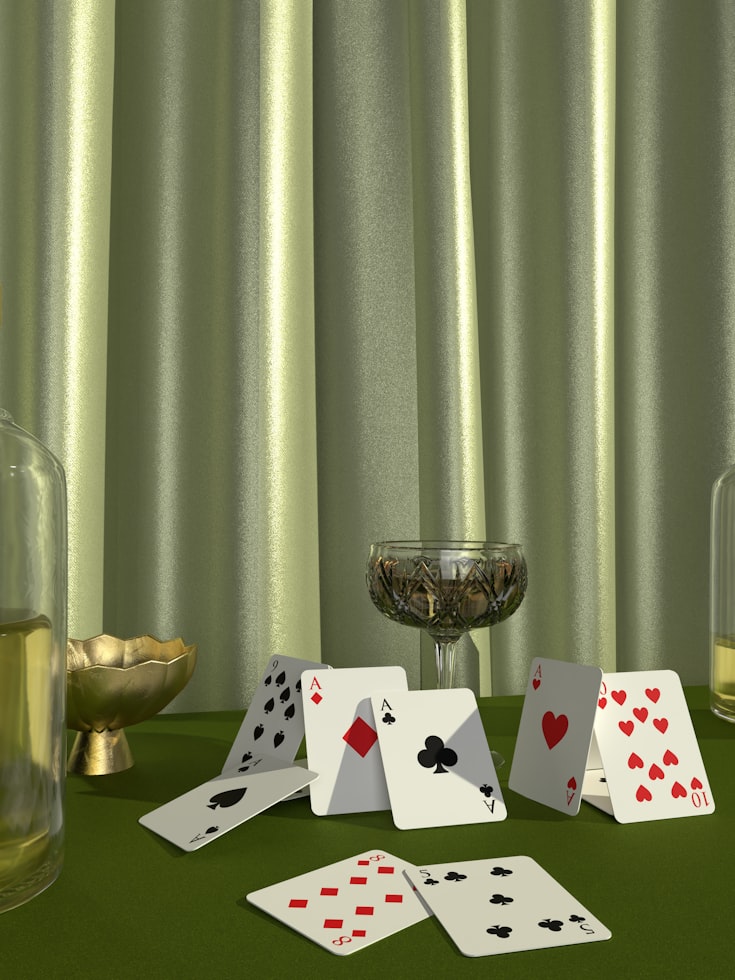
Furthermore, the unpredictability of gambling adds to its charm. Players engage in a series of games where outcomes are uncertain, which can evoke a sense of control in an otherwise chaotic world. The idea that a player can influence their chances through strategy or skill further heightens this sense of engagement.
The Role of Reinforcement
Reinforcement plays a crucial role in the psychology of gambling. When players experience wins, whether big or small, their brains release dopamine, a neurotransmitter associated with pleasure and reward. This positive reinforcement makes the act of gambling more enticing, encouraging repeated behavior. Over time, players may find themselves returning to Pin Up Casino, compelled by the desire for that same euphoric feeling.
This cycle can lead to a pattern of behavior where individuals gamble not only for monetary gain but for the emotional highs associated with wins. Even the occasional win can create a false sense of security, making players believe they are more likely to win again, which is often not the case.
The Illusion of Control
A psychological phenomenon known as the “illusion of control” is prevalent among gamblers. Many players believe they have the ability to influence outcomes, whether through skill in poker or choosing lucky numbers in a lottery. This belief can enhance their enjoyment and engagement, but it often leads to misguided confidence and risky behavior.
The appeal of games that involve an element of skill, such as poker, may further encourage this illusion. Players often attribute their wins to personal skill rather than luck, reinforcing the desire to continue gambling. This dynamic can create a cycle where the player feels empowered yet increasingly drawn into the gambling experience.
The Social Aspect of Gambling
Gambling is often a social activity, which adds another layer to its psychological allure. Many individuals enjoy the camaraderie found in casinos, where they can share the thrill of the game with friends or even strangers. This social interaction can enhance the enjoyment of gambling, making it feel less like a solitary endeavor and more like a shared experience.
Moreover, the community aspect can lead to social reinforcement, where peer behavior influences an individual’s gambling habits. Seeing friends win or engage in thrilling gameplay can create a sense of belonging, pushing individuals to participate more actively. This shared enthusiasm can make it challenging to recognize when gambling becomes excessive.

Pin Up: A Unique Gaming Experience
Pin Up Canada captures the essence of what draws players to online gambling platforms. With a user-friendly interface and a wide array of games, it creates an inviting environment for both novice and experienced gamblers. The platform emphasizes stability and structured gameplay, ensuring that users can navigate seamlessly through the gaming options.
Furthermore, with its transparent bonus offers and secure payment processes, Pin Up reinforces trust and reliability. These elements are essential in an industry where players seek not only entertainment but also assurance. The combination of psychological appeal and a robust gaming experience makes Pin Up a compelling choice for those drawn to the world of online gambling.